You don’t need a celebrity stylist or an unlimited budget to look current each season. The key to mastering seasonal fashion trends you can actually wear is understanding how to adapt runway inspiration into real-life outfits that fit your routine. Whether you’re heading to the office, running errands, or meeting friends for brunch, practical style choices make all the difference. In the United States, where lifestyles vary from fast-paced city living to relaxed suburban settings, versatility matters. This guide explores wearable seasonal updates that blend comfort, polish, and long-term value—so you can refresh your wardrobe without sacrificing authenticity or functionality.
Understanding the Difference Between Trends and Personal Style
Seasonal trends change quickly, but personal style evolves more gradually. The smartest approach is learning how to evaluate which trends align with your lifestyle and body type. Instead of adopting every new look, compare silhouettes, fabrics, and color palettes with what you already wear confidently.
For example, if structured tailoring works well for you, seasonal updates like oversized blazers or relaxed trousers can integrate seamlessly. Viewing fashion as an educational process—similar to how many women research skincare ingredients before choosing the best skincare products—encourages thoughtful wardrobe decisions rather than impulse purchases.
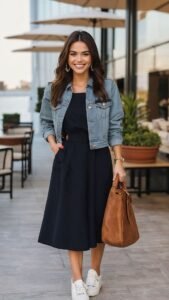
Wearable Color Trends That Complement Everyday Wardrobes
Each season introduces trending colors, but wearable fashion focuses on adaptable tones. Earthy neutrals in fall, soft pastels in spring, and saturated jewel tones in winter often work well across American wardrobes.
Instead of replacing everything, incorporate trending colors through accessories, knitwear, or layering pieces. A structured coat in a seasonal shade can instantly modernize classic denim and boots. This approach mirrors how many consumers compare premium skincare brands versus natural skincare products—evaluating longevity and compatibility before making changes.
Color updates should enhance your existing palette, not compete with it.
Elevated Basics: The Foundation of Practical Trends
One of the most consistent seasonal movements in recent years is the rise of elevated basics. Think structured T-shirts, tailored joggers, refined knit dresses, and high-quality layering tanks.
These pieces reflect the broader beauty and wellness movement that emphasizes simplicity and consistency. Just as a reliable skin care routine supports anti aging skincare goals, foundational wardrobe staples create structure for trend-driven accents.
When selecting basics, pay attention to fabric quality and cut. Subtle upgrades—such as heavier cotton blends or well-constructed seams—ensure longevity without veering into excess.
Transitional Layering for Real-World Climates
Layering is not just stylish—it’s practical. In many parts of the U.S., temperatures fluctuate dramatically between morning and evening. Lightweight cardigans, trench coats, cropped jackets, and tailored vests provide adaptability.
Seasonal fashion trends often highlight dramatic layering combinations, but real-life wear calls for balance. Choose breathable fabrics that allow comfort indoors while offering insulation outdoors.
This functional approach reflects a wellness lifestyle mindset: practical adjustments that support daily comfort. Just as stress management tips and sleep and beauty habits contribute to long-term well-being, thoughtful layering supports all-day confidence.
Comfort-Driven Tailoring and Relaxed Structure
Modern tailoring has shifted toward relaxed silhouettes. Wide-leg trousers, softly structured blazers, and midi skirts offer polish without restriction.
For working professionals, especially in hybrid office environments, this balance is essential. The evolution mirrors broader cultural priorities around comfort, self care routine practices, and healthy lifestyle habits.
When evaluating tailored pieces, compare fit, fabric drape, and movement. Some women prefer minimalist styles, while others gravitate toward subtle statement details. Understanding these differences helps in making informed wardrobe decisions without chasing fleeting aesthetics.
Seasonal Fabrics That Feel as Good as They Look
Texture plays a major role in wearable trends. Linen in summer, wool blends in winter, lightweight knits in fall, and breathable cotton in spring dominate seasonal collections.
Fabric choice impacts not only appearance but also comfort. Similar to how consumers learn about skincare ingredients like vitamin C serum, hyaluronic acid serum, or retinol skincare before incorporating them into anti wrinkle cream or skin firming products, understanding textile properties helps you choose wisely.
Natural fibers often provide breathability, while structured blends maintain shape. Comparing options ensures your investment aligns with daily use rather than occasional wear.
Footwear Trends That Balance Style and Function
Shoes often determine whether a trend is wearable. Chunky loafers, streamlined sneakers, minimalist boots, and low block heels continue to dominate seasonal updates because they combine practicality with design.
In suburban settings, versatile footwear that transitions from errands to social gatherings is especially valuable. Look for supportive construction and durable materials.
Just as dermatologist recommended skincare emphasizes both performance and comfort for sensitive skin care needs, well-designed footwear should support both aesthetics and functionality.
Accessories That Modernize Without Overwhelming
Accessories offer one of the easiest ways to incorporate trends. Structured handbags, textured belts, oversized scarves, and subtle statement jewelry refresh classic outfits without requiring a complete wardrobe overhaul.
This strategy resembles how some individuals explore luxury skincare or luxury body care within an existing routine—adding refinement without abandoning proven foundations.
When choosing accessories, consider scale and proportion. An oversized bag may complement structured outerwear, while delicate jewelry pairs better with softer silhouettes. Small adjustments can create a cohesive seasonal update.
Mindful Fashion Choices and Long-Term Wardrobe Planning
Wearable fashion trends align closely with mindful consumption. Many American consumers are increasingly attentive to clean skincare brands, cruelty free beauty, and vegan skincare. A similar awareness applies to clothing choices.
Instead of focusing solely on trend cycles, consider durability, versatility, and ethical production when possible. Premium pieces can coexist with accessible options, but the emphasis should remain on thoughtful selection rather than excess.
Building a wardrobe gradually—evaluating materials, comparing fits, and understanding seasonal adaptability—leads to consistency. This mirrors the philosophy behind skincare for women over 30, skincare for women over 40, and skincare for women over 50: sustainable practices yield the most reliable long-term results.
Conclusion
Seasonal fashion trends you can actually wear are rooted in balance. By blending updated colors, relaxed tailoring, functional layering, and quality fabrics with your established personal style, you create a wardrobe that feels current without feeling forced. Practical footwear, refined accessories, and mindful purchasing decisions further enhance versatility.
Just like maintaining a consistent skin care routine or embracing beauty and wellness habits, sustainable style relies on steady, thoughtful choices. Trends can inspire, but daily wearability defines true confidence.
If you found this guide helpful, consider sharing it with someone who loves practical style updates. 👗✨