Stress is a common part of modern life, but how you respond to it can significantly shape your overall well-being. Incorporating relaxation techniques into your daily routine can help create balance, improve focus, and support a healthier lifestyle. From simple breathing exercises to mindful practices, these techniques are accessible and adaptable to different routines. Whether you’re managing a busy schedule or seeking more calm in your day, learning effective ways to relax can contribute to both mental clarity and physical comfort—key elements of a sustainable wellness lifestyle.
Understanding the Connection Between Stress and Daily Well-Being
Stress doesn’t just affect your mood—it can influence sleep patterns, energy levels, and even your skin’s appearance. Many people exploring beauty and wellness trends are beginning to recognize how stress management plays a role in maintaining a balanced skin care routine and overall vitality.
For example, chronic tension may contribute to dull-looking skin or disrupt healthy lifestyle habits. That’s why relaxation is often considered part of a broader self care routine, alongside skincare for women over 30, 40, and beyond. Understanding this connection encourages a more holistic approach, where stress relief becomes just as important as choosing the best skincare products or exploring premium skincare brands.
Deep Breathing Techniques for Immediate Calm
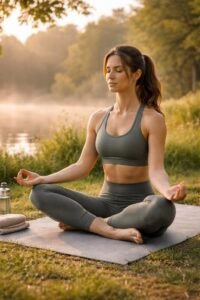
One of the simplest and most effective relaxation techniques is deep breathing. It requires no equipment and can be done anywhere—at home, at work, or even during a commute.
Slow, intentional breathing helps regulate the body’s stress response. Techniques like diaphragmatic breathing or the “4-7-8” method are commonly used to promote a sense of calm. These methods are often compared with other stress management tips because they offer immediate results without requiring long-term practice.
Over time, consistent use of breathing exercises can support a more stable emotional state and complement other wellness practices, including sleep and beauty routines.
Mindfulness Meditation and Mental Clarity
Mindfulness meditation focuses on being present in the moment without judgment. This practice has gained popularity in the United States as part of a broader wellness lifestyle, often integrated into daily routines.
Unlike more structured relaxation methods, mindfulness can be practiced in short sessions throughout the day. Whether you’re sitting quietly or taking a mindful walk, the goal is to gently bring your attention back to the present.
Some individuals explore different approaches—such as guided meditation apps or silent reflection—to determine what fits best into their routine. This kind of informed evaluation helps build a sustainable habit rather than a temporary solution.
Progressive Muscle Relaxation for Physical Tension
Progressive muscle relaxation (PMR) involves tensing and then slowly releasing different muscle groups in the body. This technique is particularly helpful for people who carry stress physically, such as tension in the shoulders or neck.
By becoming more aware of how your body responds to stress, you can learn to release that tension more effectively. PMR is often used alongside other relaxation techniques, offering a complementary approach to stress relief.
When comparing relaxation methods, some prefer PMR for its physical focus, while others lean toward meditation for mental clarity. Exploring these options can help you find a balanced combination that suits your needs.
Creating a Relaxing Environment at Home
Your surroundings can have a powerful impact on how easily you relax. A calm, organized space can support both mental and physical well-being.
Simple adjustments—like soft lighting, calming scents, or minimal clutter—can transform your home into a more relaxing environment. Many people who follow beauty and wellness trends also incorporate elements of luxury body care or natural skincare products into their routines, creating a spa-like atmosphere without leaving home.
While high-end wellness environments exist, relaxation doesn’t require expensive upgrades. Instead, it’s about creating a space that feels comfortable and supportive of your self care routine.
The Role of Physical Activity in Stress Relief
Gentle physical activities such as yoga, stretching, or walking can help release built-up tension and improve mood. These movements encourage better circulation and can be easily integrated into a daily schedule.
Unlike intense workouts, relaxation-focused activities emphasize slow, controlled movements and mindful breathing. This makes them accessible to a wide range of people, regardless of fitness level.
Some individuals compare different forms of movement—like yoga versus Pilates—to find what aligns best with their goals. This thoughtful approach ensures that the activity remains enjoyable and sustainable over time.
Digital Detox and Mental Reset
Constant exposure to screens and notifications can contribute to mental fatigue. Taking intentional breaks from digital devices allows your mind to reset and recharge.
A digital detox doesn’t have to be extreme. Even short periods without screens—such as during meals or before bedtime—can make a noticeable difference. This practice also supports better sleep and beauty routines, which are essential for overall wellness.
As people become more aware of how technology impacts their stress levels, many are evaluating different strategies to reduce screen time while maintaining productivity.
Incorporating Relaxation into Your Self Care Routine
Consistency is key when it comes to relaxation. Rather than viewing it as an occasional activity, integrating it into your daily routine can lead to more lasting benefits.
For example, pairing relaxation techniques with skincare rituals—such as applying a hyaluronic acid serum or exploring clean skincare brands—can turn everyday habits into moments of calm. This approach aligns with the broader concept of beauty and wellness, where self care extends beyond appearance.
Some individuals also explore premium skincare or luxury skincare options as part of their routine, not necessarily for superiority, but as part of a personalized experience that enhances relaxation and mindfulness.
Balancing Relaxation with a Busy Lifestyle
Maintaining a busy schedule doesn’t mean you have to sacrifice relaxation. The key is finding small, manageable ways to incorporate these techniques into your day.
Short breathing exercises, mindful pauses, or brief stretches can be just as effective as longer sessions when practiced consistently. The goal is to create a routine that fits naturally into your lifestyle rather than adding extra pressure.
By understanding your own needs and preferences, you can build a flexible approach to stress management that evolves over time.
Conclusion
Relaxation techniques are valuable tools for managing stress and supporting a balanced, healthy lifestyle. From deep breathing and mindfulness to creating a calming environment, each method offers unique benefits that can be tailored to your routine. Consistency and self-awareness play an essential role in making these practices effective over time. By integrating relaxation into your daily habits, you can enhance both your mental well-being and overall quality of life.
If you found this helpful, feel free to share this article with others who might benefit from a more balanced and mindful routine 😊